


Waking Up from War: A Lived Experience with Emotional Fallout
- Roxx Farron
- Apr 23, 2025
- 4 min read

Updated: Apr 28, 2025
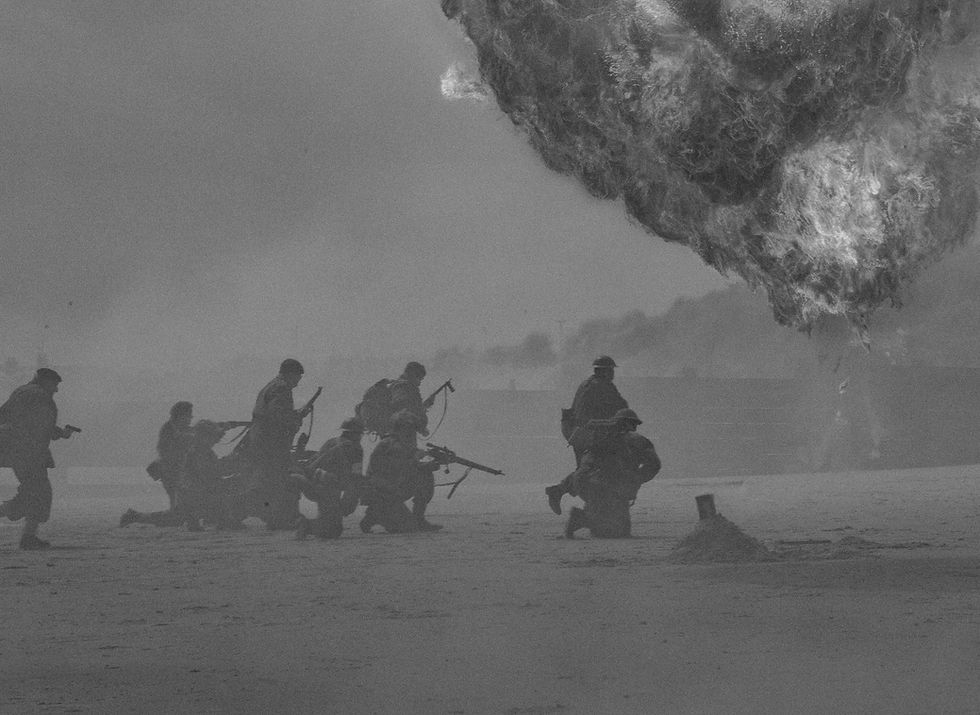
Title: Waking Up from War: A Lived Experience with Emotional Fallout
By Theresa Alfonzo
It’s almost like waking up from a long sleep.
The kind where the world around you kept spinning, but you didn’t. You were in it, surviving moment by moment, unable to fully register what was happening — because your body knew you couldn’t handle it if you did.
Now, the numbness is fading. And what’s left is a storm I never fully processed.
The past few years feel like a blur of emotional pain that never had a place to land. There were moments where I’d stop and cry, not over a specific memory, but because my soul hurt — a kind of grief that didn’t need a story attached. It was just there.
That’s the part no one tells you about trauma: sometimes, the worst damage isn’t caused by a single blow. It’s caused by years of emotional fragmentation. By the silence. By the forced smile. By the refusal to fall apart — because falling apart meant no one would be there to pick up the pieces.
I know now that I was in shock. Not the movie kind. The real kind. Functional dissociation. Where your body keeps showing up, but your emotions are filed away, waiting for later — when it’s "safe."
But later never came. Until now.
What I’m Reckoning With
I have been in a toxic relationship so long, I wouldn't know how to exist in a healthy one.
I’ve excused behavior I didn’t understand — not because it was okay, but because my brain couldn’t process the betrayal in real time.
I’ve taken the blame in every situation because that’s what I learned to do — before anyone else could assign it to me.
My husband’s behavior isn’t just painful. It’s confusing. It's manipulative. It’s aggressive. It triggers the worst parts of my trauma response — freeze, fawn, shut down.
But it wasn’t just him. My mother — also in my home during the same period — mirrored the same emotional tactics. NPD. Verbal attacks. Manipulation. Denial. Psychological warfare from two directions.
Living in a home with two narcissistic personalities, I wasn’t just surviving one toxic relationship — I was trapped in a house where every exit led to more harm. The emotional chaos was constant. There was no safe space. No soft place to land. Just me, absorbing everything until there was nothing left to absorb.
I knew I had to leave. I knew how damaging it would be to stay — but I had nowhere to go. There’s nothing more devastating than feeling trapped in the one place you’re supposed to feel safe.
They didn’t just hurt me. They destroyed my sense of safety. They shattered my perspective of who I was, what I’d built, and what my life meant. I lost myself in their storm.
And now that I’m out of survival mode, I’m stuck with a new pain: trying to make sense of the damage.
The Shame
What’s hardest isn’t the memories — it’s the shame that grew in their shadow.
I feel ashamed that I didn’t leave sooner. I feel ashamed that I made excuses. I feel ashamed that I let someone twist my emotions until I doubted my own reality.
And yet, I know I did what I had to. Because at the time, it felt like I didn’t have a choice.
Now I see that I was never the problem. But for years, I carried the weight like I was.
That shame didn’t come from him alone. It came from decades of conditioning — including my mother. From being told, implicitly and explicitly, that my pain wasn’t real. That my needs were too much. That my worth was conditional.
That shame didn’t come from them yelling. It came from the silence when I needed understanding. From the manipulation that made me doubt myself. From the betrayal of people who should’ve protected me — but instead broke me from the inside.
Emotional Awakening
What I’m experiencing now is a kind of delayed emotional integration. The numbness is gone. The defenses are down. And every part of me is screaming to understand:
How did I survive this long without breaking? Why did I let it get this far? What do I do with everything I feel now?
I’m not looking for pity. I’m documenting this because it’s real. And because if I don’t record it, it’ll disappear into the fog again.
I’ve spent my life trying to make sense of feelings that never faded. Now I understand why.
I’ve lived in emotional collapse. I’ve rebuilt from emotional erasure. And now I’m telling the truth so others can see themselves in it and say, “Me too.”
This isn’t just my healing. It’s part of the theory now. It’s part of Wired Wrong. It’s part of Emotional Governance.
And it’s how we rewrite the ending.

Comments